The Texas poker boom has operated on a legal high wire for years. Operators knew the government would eventually take a seat at the table. Last week, state and federal authorities finally bought in, and they brought a massive stack.
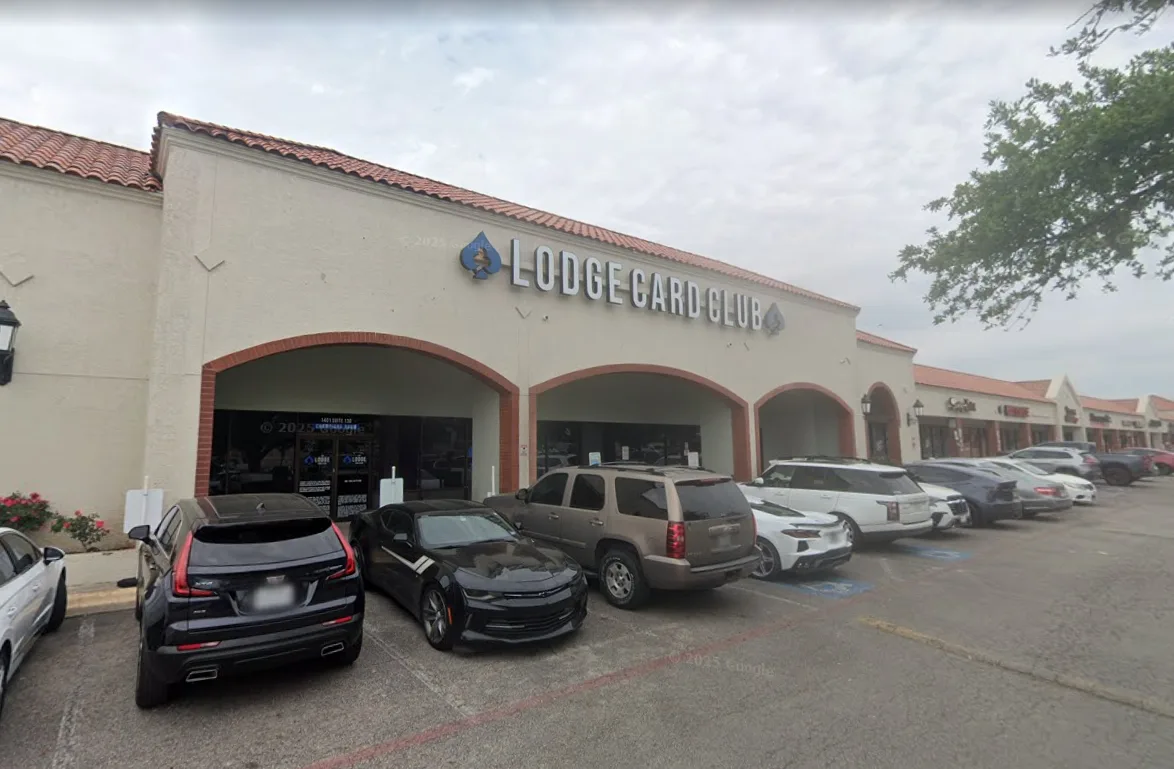
The Lodge Card Club in Round Rock, the undisputed crown jewel of the Texas cardroom scene co-owned by Doug Polk, Andrew Neeme, and Brad Owen, was hit with a coordinated multi-agency raid. Approximately 20 agents from the Texas Alcoholic Beverage Commission (TABC), flanked by the Williamson County Sheriff’s Office and the IRS, shut the room down just hours after the conclusion of a major tournament series.
Assets are frozen. A highly anticipated WPT Wildcard festival has been postponed. Over 200 employees are suddenly out of work. And while no formal charges have been filed, the poker community has been paralyzed by rumors. Now, Doug Polk has officially stepped up to the microphone to address the panic.
The Affidavit and the Sports Betting Connection
To understand the severity of the situation, you have to look at the government's playbook. A newly surfaced 22-page affidavit reveals that the TABC investigation began in June 2024 following a report of questionable financial activity.
The warrant specifically cites "suspected money laundering and illegal gambling." For industry insiders, that second charge is a massive red flag that often points away from the poker tables entirely. Texas strictly prohibits sports betting. In gray market cardrooms flush with cash, underground bookies frequently use the casino floor to settle up massive NFL and NBA debts.
When federal agencies start tracking an illicit local sports betting ring, the trail of undocumented cash often leads right through the doors of the nearest cardhouse. Whether a rogue shadow sportsbook was operating out of the high-stakes VIP room remains unconfirmed. However, whenever the IRS tacks "illegal gambling" onto a poker room raid, veteran players know it usually implies unregulated sports action happening in the background.
Regardless of where the cash originated, the real meat of the raid involves Anti-Money Laundering (AML) compliance. The warrant details approximately $1.35 million deposited from The Lodge through an in-house Loomis cash vault into a sweeps account held by Tempus Holdings, Inc. Processing that much cash puts a giant target on a venue's back. Failing to flawlessly file the required federal paperwork is all it takes for the feds to claim negligence and freeze everything.
Polk Breaks His Silence
When the feds lock up a poker room's operating capital, the entire industry holds its breath waiting for the owners to speak. Polk initially fired from the hip in the immediate aftermath, calling the investigation a "witch hunt." But by Monday, the reality of federal scrutiny prompted a decidedly more polished and legally vetted approach.
"I did not participate in, and still have no knowledge of, any money laundering in the operation of the Lodge," Polk stated, denying the core allegations head-on.
He then offered a necessary reality check regarding how the justice system actually functions, pushing back against the court of public opinion.
"I understand that some people assume that because there was a search warrant, a crime must have been committed, but that’s not really how the process works," Polk explained. "A search warrant is just one step in an investigation, based on an affidavit from law enforcement. That affidavit has not been given to the Lodge or made public."
It is a textbook PR pivot. Polk is transitioning from a defiant poker personality to a responsible corporate owner navigating a legal minefield. Reminding the public that an accusation is far from a conviction is his best play while his legal team fights a brick wall of government silence.
The Ultimate Sweat: Protecting Player Funds
For the regular grinders and traveling pros, the legal nuances of corporate sweeps accounts and alleged sports betting rings take a backseat to one pressing issue. Having a massive chunk of your working bankroll locked up in casino chips or pending tournament payouts is every professional's worst nightmare.
Polk knows exactly how his core demographic thinks. He used his statement to double down on his guarantee that the players will not be left holding the bag.
"I also care deeply about the situation for our members," Polk said. "There are numerous people with both chip balances and tournament payouts that cannot currently be processed. I want to reiterate that these members will be made whole, and I will personally make sure that happens, in coordination with my attorneys, so that it is done properly."
Promising personal financial backing is a bold and necessary move. It signals immense confidence to the community but also highlights the severe liquidity crisis caused by the government freezing the club's bank accounts.
What Happens Next?
The collateral damage is already staggering. Beyond the frozen bankrolls, Polk rightly expressed sympathy for the dealers, floor staff, and waitstaff whose livelihoods evaporated overnight. The Lodge has confirmed they have been ordered not to re-open until the investigation concludes.
The government knows that freezing a club's capital is often a death sentence, regardless of whether a conviction ever materializes. The Texas gray market has operated comfortably in the shadows for years. With the largest and most public room in the state currently sitting in the dark, operators from Houston to Dallas are officially on notice. The poker world is watching closely to see if authorities actually have the cards to back up their aggressive pre-flop raise, or if Polk and his legal team can navigate the bureaucratic trap and finally reopen the cage.